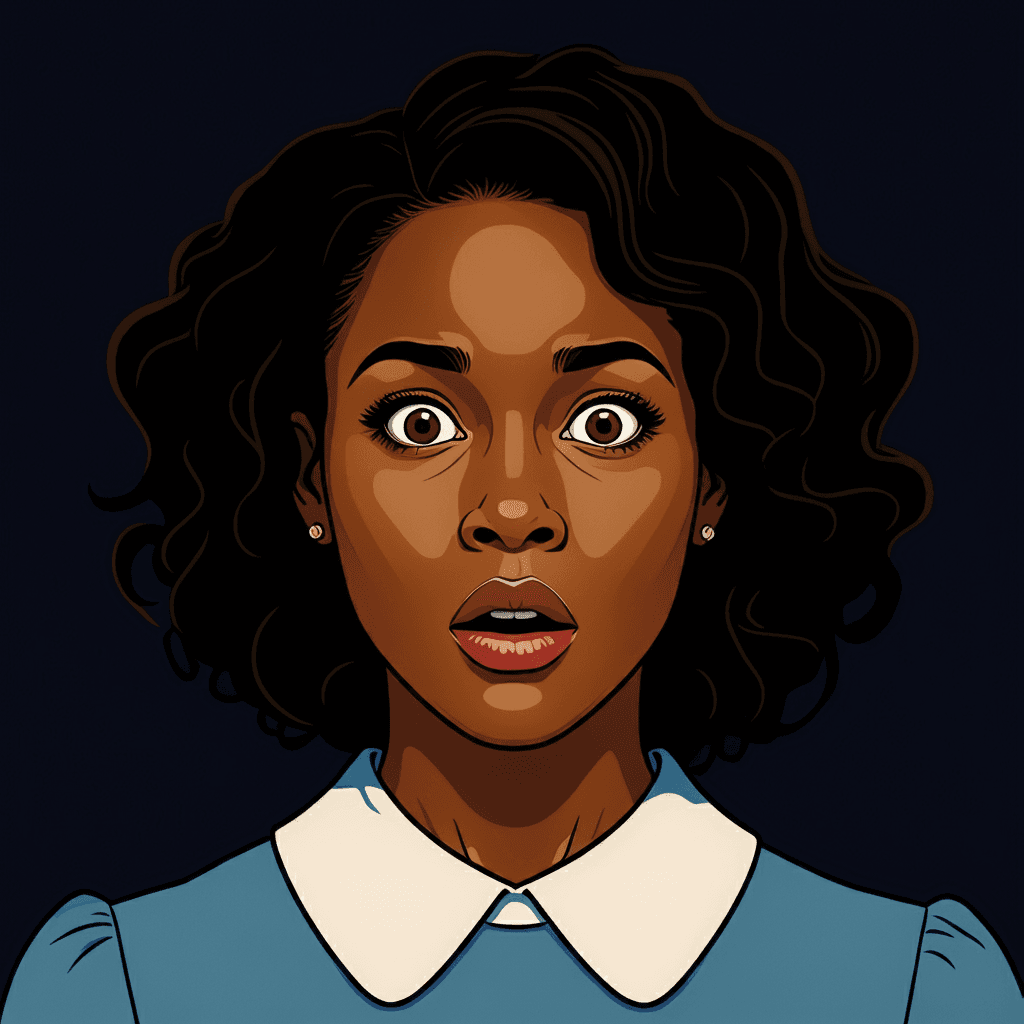
I Dated the "Perfect" Person and Still Felt Empty — Here's What I Learned About Love
On paper, they were everything I had ever wanted. Attractive, successful, kind to waiters, remembered my coffee order, texted back within minutes. They had a good relationship with their family, a stable job, hobbies that did not include gaming for twelve hours straight. My friends were jealous. My parents were relieved. Everyone kept telling me how lucky I was.
So why did I cry in my car after every date?
Why did I feel more alone sitting across from them at dinner than I did actually being alone? Why did "I love you" feel like lines in a script rather than words that meant something?
I stayed for eight months, convinced something was wrong with me. Perfect person, perfect relationship, imperfect me who could not appreciate what she had. I tried harder. Planned more dates. Initiated more conversations. Told myself that love was a choice, and I just needed to choose better.
It did not work. And eventually, I had to face the truth I had been running from: sometimes the right person on paper is the wrong person in real life. And that is not anyone's fault.
The Checklist Trap
I had spent years building a mental checklist of what I wanted in a partner. Partly from experience — learning what I did not want from people who had hurt me. Partly from observation — watching couples I admired and noting what seemed to work. Partly from culture — absorbing messages about what a good relationship should look like.
The checklist was detailed. Ambitious but not workaholic. Funny but not at others' expense. Confident but not arrogant. Affectionate but not clingy. Someone who would challenge me but also support me. Someone with their own life but who wanted to build a life together.
When I met this person, they checked every single box. It was almost eerie how perfectly they fit the template I had created. I remember thinking, finally. Finally, I had found what I was looking for.
But here is what no one tells you about checklists: they measure compatibility on the surface. They cannot measure how someone makes you feel in the quiet moments. They cannot predict whether your souls will recognize each other. They cannot account for the mysterious, ineffable thing that makes two people click.
I had optimized for specifications while ignoring connection. And I paid the price.
The Loneliness of Being With Someone
There is a particular kind of loneliness that exists only in relationships. It is worse than being alone because it is loneliness with a witness. You are sitting right there with someone who is supposed to be your person, and you have never felt more isolated.
I felt this constantly during those eight months. We would be having dinner, and I would look at them and feel nothing. Not anger, not love, not even indifference — just a hollow absence where feeling should have been.
We would talk, and I would say the right things, and they would say the right things, and the conversation would be perfectly pleasant and completely meaningless. It was like we were both reading from a script of what a couple should sound like.
The worst was physical intimacy. Not because anything was wrong, but because nothing was right. The motions without the emotion. The closeness without the connection. I would lie there afterward feeling lonelier than I had ever felt sleeping alone.
I started to wonder if something was broken inside me. Maybe I was incapable of love. Maybe I had built walls so high that no one could climb them. Maybe I was destined to be the person who could not be satisfied, always wanting something that did not exist.
What Was Missing
It took me months of reflection — and a lot of journal entries — to understand what was missing. It was not anything I could have put on a checklist. It was not something they were failing to provide. It was something that either exists between two people or does not.
I call it resonance. The feeling of being truly seen and understood. The sense that someone gets you in a way that does not require explanation. The experience of being fully yourself with someone and having that self be met and mirrored and celebrated.
With the perfect person, I was always performing. Not consciously, not dishonestly, but performing nonetheless. I was the best, most polished, most presentable version of myself. And they loved that version. But that version was exhausting to maintain.
I never showed them the messy parts. The anxiety spirals, the ugly crying, the irrational fears, the dark humor that comes out when I am too tired to filter. Not because they would have judged me, but because something in our dynamic made vulnerability feel impossible.
With the right person — I know this now — vulnerability feels safe. The mask comes off naturally. You find yourself saying things you have never told anyone, not because you decided to share but because the words just fall out. That is resonance. That is what I was missing.
The Courage to Leave "Perfect"
Ending that relationship was one of the hardest things I have ever done. Not because I was in love — I was not — but because I could not justify leaving. There was no big incident, no betrayal, no dramatic fight. Just a quiet, persistent emptiness that I could not explain to anyone, including myself.
How do you tell someone you are leaving not because they did anything wrong but because you feel nothing? How do you explain that their perfection is actually the problem — that you need someone whose imperfections mesh with yours in a way that creates sparks?
I agonized over this for weeks. I wrote pages and pages in my journal, trying to articulate what I could not say out loud. I made lists of reasons to stay and reasons to go. I sought advice from friends who unanimously told me I was crazy to consider leaving such a good thing.
But in the end, it came down to a simple question I asked myself at 2 AM: Can you do this forever? Can you spend your life with someone who makes you feel alone?
The answer was no. And so I left.
The Fallout of Choosing Yourself
Leaving was brutal. Not the conversation itself — they took it better than I expected — but the aftermath. The second-guessing. The loneliness that was somehow worse now that I had chosen it. The fear that I had made the biggest mistake of my life.
Everyone had opinions. Some people understood. Others thought I was selfish, unrealistic, chasing a fairy tale that did not exist. "Love is not supposed to be fireworks all the time," they said. "You will never find someone better."
Maybe they were right. Maybe I was unrealistic. But I would rather be alone and searching than partnered and empty. I would rather hold out for resonance than settle for compatibility. I would rather be the person who asked for too much than the person who accepted too little.
In the weeks after the breakup, I did a lot of writing. I processed my guilt, my doubt, my grief for a relationship that was never really mine. I examined my checklist and realized how much of it was about avoiding pain rather than pursuing joy. I had been so focused on finding someone who would not hurt me that I forgot to look for someone who would make me feel alive.
Redefining What I Want
These days, my checklist looks different. It is shorter, for one thing. I have stopped trying to specify every quality and started focusing on what matters most.
Do they make me feel like myself? Not the polished version, but the real version. Do I want to tell them things? Not out of obligation, but because sharing with them feels natural. Can we sit in silence without it being awkward? Is their presence comforting or draining?
I have also added things I never thought to include before. Do they have their own wounds, and are they working on them? Are they curious about life, about themselves, about me? Do they know how to apologize, how to receive feedback, how to grow?
And most importantly: Does something in me come alive when I am with them? Not the adrenaline of new attraction, though that is nice too. But something deeper. A sense that this person sees me, and I see them, and something important is happening between us.
The Myth of the Perfect Partner
Here is what I wish someone had told me earlier: there is no perfect partner. There are only partners who are perfect for you. And "perfect for you" has very little to do with objective qualities and everything to do with subjective fit.
The person who is perfect for you might not look like what you imagined. They might not check all the boxes. They might have qualities you thought were dealbreakers and be missing qualities you thought were essential.
But when you are with them, you will know. Not because everything is easy — relationships are never easy — but because the hard parts feel worth it. Because their presence adds something to your life that you cannot get anywhere else. Because you would rather fight with them than be at peace with someone else.
I have not found that person yet. But I believe they exist. And in the meantime, I am getting to know myself better. Learning what I actually need versus what I thought I wanted. Building a life that is full and meaningful on its own, so that when the right person comes along, they are adding to something good rather than filling a void.
What I Would Tell You
If you are in a relationship that looks perfect but feels empty, I want you to know that your feelings are valid. Something being good on paper does not mean it is good for you. You are not broken for wanting more. You are not unrealistic for believing that love should feel like something.
If you are considering leaving but cannot find a "good enough" reason, let me give you one: you deserve to feel alive in your relationship. You deserve a partner who makes you feel less alone, not more. You deserve resonance.
And if you are single and wondering if you will ever find what you are looking for, I am right there with you. It is lonely sometimes. It is scary to hold out for something you have never experienced. But I believe it is better to wait for the real thing than to accept an imitation that leaves you hollow.
Write about what you are looking for. Not a checklist of qualities, but a description of how you want to feel. Journal about past relationships — what worked, what did not, what you learned about yourself. Get clear on what resonance means for you.
And then be patient. Be open. Be brave enough to walk away from perfect when perfect is not right. Your person is out there, and they are probably writing in their own journal right now, wondering if you exist.
You do. And so do they. And someday, you will find each other.
tonight’s prompt
Write after reading.
Save one line that felt uncomfortably true — that is usually where the useful entry starts.
Open Zendiary